Since we seem to be in the middle of an endless winter, let’s contemplate the experience of winter in summer — or, more precisely, how rinks and hockey centres can manage most efficiently in the off-season.
I have a friend who loves to go ice-skating in the summer; rinks are empty, she tells me. But I don’t get it: Why are they empty? Why doesn’t everyone head straight for a field of ice when it’s 95 degrees outside? It’s largely and very simply a matter of public perception, I think: We associate skating and hockey-playing with cold weather, so we don’t think of doing it when summer rolls around. If you operate a rink or hockey center that’s open year-round, however, there are a few things you can do to shift public perception.
It’s all about managing the message. If you offer a summer camp program, get the word out to families before the major push for summer-camp registration starts. These days, parents start signing their kids up for summer activities the day after New Year’s. Luckily for you, that’s the ideal time for a rink to spread the word. At the beginning of December, when you’re in the thick of league games, regular training, clinics, and rink rentals — and before other types of summer programs have easy access to the audience you’re serving — start an advertising campaign for your summer camp program. Put up posters that play on the winter-in-summer contrast, and get creative with them. Images of kids in bathing suits running around in mounds of snow will grab your audience’s attention. Your goal is to let families know that the hockey and skating they’re enjoying so much right now are available to them all year long (and are even more enjoyable when the temperature is soaring!).
Also, if your rink is the kind that converts to non-ice sports in the warmer weather — roller-skating, soccer, field hockey — be sure your customer base knows this. Again, because the tendency will be to associate your facility with winter sports only, customers might think of other venues before they think of yours. From the first moment a hockey player or ice-skater walks through your door, be sure it’s obvious that your activity offerings go far beyond the ice-based. Prominently display pictures of people enjoying other sports in your facility; directly advertise your other offerings. Train your staff members to mention those other offerings at the moment when registration for a winter sport happens.
Finally, make good use of social media. Facebook, Twitter, and especially Instagram and Pinterest are all image-centric: Reveal your full breadth of offerings through vivid images that you post frequently. Avoid the natural inclination to show off only your ice-skaters and hockey-players when the holiday season in upon us, and businesses everywhere are plugging images of happy, winter scenes. That’s the perfect time, in fact, for you to capitalize on the interesting contrast you can offer that other places can’t: winter in summer!
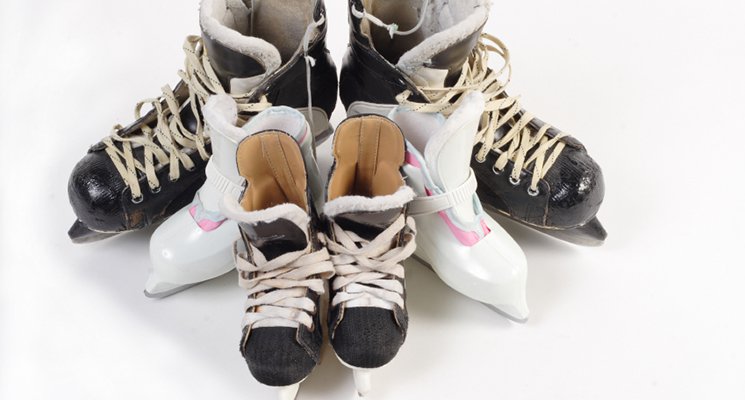
Winter in Summer
« Blog | | | (0) Comments |