A recent blog post and a recent study, although differing significantly in content, come to essentially the same conclusion: We have more of a chance of staying healthy when we partner with someone than when we try to go it alone.
The blog post, written by a sports writer and athlete for the popular Greatist website, notes that studies show working out with a buddy can increase accountability, keep spirits high during exercise, and spur better results. The post lists 35 great ideas for partner workouts. The study, a collaboration between the University of Manitoba in Winnipeg and policymakers in the Canadian province of Manitoba, suggests that younger children learn about health from older children more effectively than from coaches and teachers. Researchers looked at a program called Healthy Buddies, in which older kids mentor younger ones about healthy foods, physical activity, and positive body image; elementary school children who took part in the program reduced their waist sizes and showed improvements in self-esteem.
Why should all this be important to you? Of course, as a fitness club or sports center owner or manager, you’re interested in retaining current members and attracting new ones. One way to do those things is to make workouts or practices fun. If science is proving it’s more fun for people to workout with a partner, it would behoove you to think of ways to foster partner workouts. If you don’t yet have classes designed to accommodate buddy exercise, it’s time to develop and offer some. And maybe it’s time also to experiment with new ideas: How about designating a weekly time slot for partner workouts in the cardio room? Anyone can come, and no one will be forced to work with someone else, but singletons who want a partner can ask others looking for the same if they want to pair up during that time, and duos can be encouraged to come. Trainers can be on-hand with ideas for buddy exercises.
Really, with the studies in hand that prove the effectiveness of partner workouts, there’s no limit to ideas you can try launching based on that information. And let your clientele know that you’re reading up on these studies and developing new ideas based on what’s best for them — that’s another good way to keep the members you already have and gain new ones.
As for the study about older kids mentoring younger ones for better health, this is information that will be useful to sports centres that cater to youth. Whether you specialize in baseball, soccer, track and field, or offer general athletic programming, why not start thinking about how older kids at your facility might be able to help teach younger ones? Can you offer one night of mixed-age practices, pairing elementary-schoolers with high-schoolers and letting the learning take off? This same strategy might work for fitness clubs too — not necessarily using age as a guide to matching mentors and mentees, but creating a program that would allow members who have successfully met their weight loss and exercise goals to mentor members who are still struggling. Doing so could only strengthen your community, and strengthening your community can only be good for business.

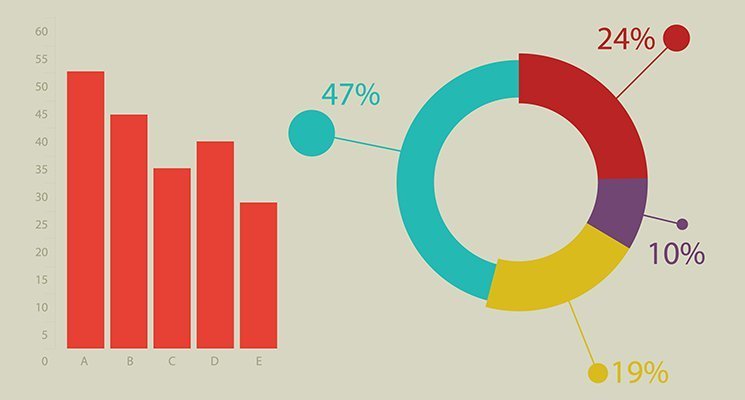
This season, to startlingly effective results, the San Francisco 49ers have been flooding fans with infographics. The great thing about infographics, visual representations of data or knowledge, is their quick, clear presentation of complex information. And the great thing about infographics designed by someone who knows what they’re doing is their quick, clear, and beautiful presentation.
You struggle with retaining members and signing up new clients. How could you not? With the proliferation of low-cost health clubs, wearable technology, home video exercise plans, and YouTube workout videos that go viral within hours, traditional fitness facilities face enormous challenges these days — and experts tell us we’re only at the beginning of what will be a sea change in the way the fitness industry operates. In this blog space there’s been a lot of talk about facing the challenges by building communities; investing in trainers, staff, and other human resources; and incorporating technology. Here’s another approach to consider: becoming the solution.
Every year around this time of year, it feels like someone has turned the dial up a couple notches. Whereas earlier in the fall everything was just busy, suddenly now everything is insanely chaotic. Veteran’s Day and Thanksgiving break mean quite a few no-school days, and there always seem to be a couple professional development and parent-teacher conference half-days around the same time. At work, everyone is scrambling to finish projects before the end of the year, and all of those projects seem to land up on your desk at the same time. Meanwhile, you find yourself invited, in the span of three weeks, to more parties than you’ve been invited to all year. And then there’s the holiday shopping, cooking, planning, and wrapping to do (don’t even ask me about season’s-greetings cards — I gave up on those years ago).
In New York City, it’s common for schools to raise funds by holding yearly auctions. In the months leading up to an auction, parents stump all around town, trying to win donations from local businesses so auction attendees will have a wide variety of items on which to bid. Common donations include free piano lessons, handmade jewelry, restaurant gift certificates — and month-long gym memberships.
I love my gym. I do not, however, love my gym’s yoga offerings. The first time I went to one of its (few) yoga classes, I left with a longing for the studio I used to live near, where I’d gotten into the habit of attending daily classes. It was a struggle to fit the classes in to my busy schedule, but I loved the instructors, who had studied and taught nothing but yoga for years and who could even make me chant without feeling phony or self-conscious. I loved the wide, airy room, with candles and overgrown plants on the windowsills and a giant Buddha statue near the entryway. I loved the long, green, silky curtains that billowed out when a breeze came in through the open windows — it was the perfect space, with the perfect people, for a practice dedicated to awareness of the mind/body connection.
I was talking the other day with a friend of mine who manages a gym in New York City. He had recently attended an informal networking meeting for gym managers, and he said they got reviewing the basics of gym management — the fundamental tasks that gym managers should undertake each day to make sure they’re doing what needs to be done. I got him to share his notes with me, and now I’m sharing some of them with you. Nothing here is earth-shattering, but even my friend, who’s been in the field for at least a dozen years, found it useful to have a refresher in the basics. Here’s what the group covered:
I had a nice little visit to the emergency room the other day. I injured my foot, and I wish I could say I did so while training for a marathon or participating in an Insanity workout or some such thing, but truthfully I was just racing my seven-year-old downhill, and I landed on it awkwardly.
For many gyms, the end-of-summer push for new members is coming to a close; that effort won’t be ramped up again for another six months or so. So what do you concentrate on in the meantime? Retaining members, of course! As profitable as new sign-ups, or sometimes, with upselling, more profitable, retaining members is a goal all clubs have — but the goal is sometimes elusive. Here are a few refresher tips on retaining members effectively.